Finding the Suitable Asphalt Contractor for Your Paving Project
Picking a suitable asphalt contractor is important for the completion of any asphalt undertaking. A contractor's qualifications, background, and standing can significantly affect the caliber of output. Discovering the essential services they supply and demanding the right questions can establish their reliability. Still, working through quotes and recognizing potential red flags can be tough. What criteria should one emphasize to secure a successful result?
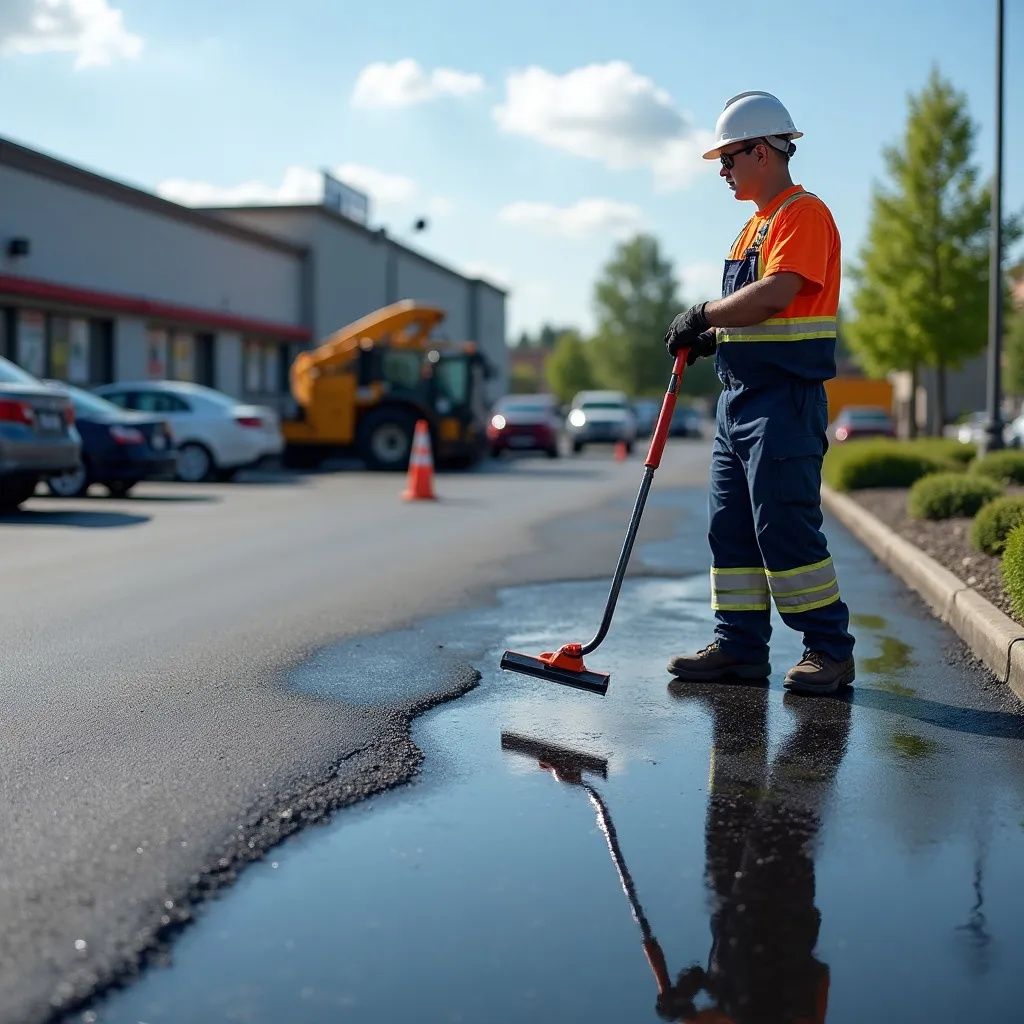
Why Finding the Right Asphalt Contractor Is Crucial
Choosing the right asphalt contractor is essential for upholding the extended life and quality of pavement projects. The pick of organization can considerably shape the durability and performance of the asphalt surface. A proficient specialist comprehends the intricacies of pavement placement, including adequate preparation, sourcing decisions, and application techniques. This knowledge reduces the risk of premature wear, breaking, and other troubles that can materialize from subpar workmanship.
Furthermore, a reputable contractor typically follows industry standards and utilizes premium materials, which contribute to the total achievement of the undertaking. Hiring the right expert also promotes effective communication, guaranteeing that the customer's particular requirements and expectations are fulfilled. In the end, investing time in selecting a qualified asphalt contractor can result in significant long-term cost savings and improve the visual quality and functionality of the paved area. Consequently, this choice is crucial for any paving project's success.
What Credentials Should Your Asphalt Contractor Have?
What primary credentials should an asphalt contractor demonstrate to guarantee a successful project? A reputable asphalt contractor should hold the necessary licenses and certifications required by local regulations. These credentials confirm compliance with local requirements and industry standards. Moreover, economic viability is paramount; a contractor must be able to support operations throughout the project, assuring timely completion.
Experience in multiple pavement methods and knowledge of different materials are important, as they significantly impact the standard of results delivered. Understanding of safety protocols and proper equipment usage is also vital for safeguarding both workers and clients.
Additionally, a thorough knowledge of project management practices can support in timely scheduling and asset distribution. Finally, strong interaction skills are important for addressing customer worries and making sure that standards are met. These competencies jointly add to the overall success and satisfaction of a paving project.
Assessing Your Paving Contractor's Experience and Standing
How can someone effectively gauge an asphalt contractor's experience and reputation? To begin, prospective clients should review the contractor's body of work, which showcases past jobs and shows their skill level. Furthermore, time spent operating often serve as an indicator of reliability and knowledge in the field. Web-based feedback and recommendations from past customers can provide insights into the contractor's reliability and quality of work.
Moreover, asking for references can produce first-hand accounts of customer satisfaction and read about this project outcomes. Engaging with local trade associations or checking for certifications can additionally confirm a contractor's professionalism and adherence to industry standards.
To sum up, a solid reputation within the local area—demonstrated through returning business and recommendations—can be a telling sign of a contractor's reliability. All together, these factors form a thorough picture of an asphalt contractor's experience and reputation, aiding in making well-informed choices.
Key Offerings Supplied by Asphalt Contractors
A assortment of important solutions are regularly provided by asphalt contractors, catering to both domestic and corporate needs. These services often feature asphalt paving, where contractors lay down fresh asphalt for driveways, parking lots, and roads. Additionally, they deliver asphalt repair work, addressing cracks and potholes to boost durability and safety. Sealcoating is another key offering, protecting asphalt surfaces from weather damage and extending their lifespan.
Additionally, providers may supply grading and drainage solutions, making certain proper water flow and preventing subsequent decay. Line striping is also included, delineating parking spaces and traffic lines for enhanced order and security. Some paving companies present service plans, which include periodic evaluations and care to maximize the durability of asphalt surfaces. By grasping these essential services, facility owners can make informed decisions when picking an asphalt contractor for their surfacing projects.
Key Inquiries to Ask Your Asphalt Contractor
When selecting an asphalt contractor, it is paramount to solicit specific responses to appraise their expertise and reliability. Discussing their experience and qualifications, as well as understanding the project timeline and costs, can impart valuable insights. These key factors help confirm that the contractor can meet the project's demands effectively.
Experience and Credentials
Experience and skills are critical when selecting an asphalt contractor. Prospective clients should inquire into the contractor's industry tenure, as a proven track record usually means reliability and expertise. Requesting references from past projects is advisable so clients can evaluate the quality of work provided. Contractors should also have suitable licenses and certifications, confirming conformity with industry standards and regulations. Potential clients ought to consider any specialized training the contractor holds, especially for certain paving methods or materials. Knowing the contractor's experience with comparable projects offers valuable insight into their capability to manage unique challenges. Ultimately, a qualified contractor will not only enhance the project but also guarantee long-term satisfaction.
Schedule and Costs for the Project
Comprehending project schedules and expenses is crucial for buyers selecting an asphalt contractor. Clients should ask about the projected duration of the project, including preparation, paving, and curing times. Contractors should offer a clear timeline, specifying key milestones and potential delays. Clients need to also request a comprehensive cost estimate, containing materials, labor, and any additional fees. Understanding payment arrangements, such as deposits or financing options, is crucial for budgeting. It is recommended for clients to compare estimates from multiple contractors to ensure transparency and fairness. Finally, addressing potential weather-related impacts on project timelines can help set realistic expectations, promoting better communication and satisfaction throughout the paving process.
Analyzing Proposals and Pricing Structures
Considering quotes and cost setups from diverse asphalt contractors is important for making an informed decision. When checking estimates, it is necessary to examine not only the cost total but also the division of materials, staff, and any additional fees. A lower quote may seem attractive, but it could reveal quality trade-offs or service.
Contractors regularly display different pricing structures; some may bill by square footage, while others might extend flat rates. Understanding these variations can help clients gauge the true value of each proposal.
In addition, clients should probe into maintenance plans and warranty provisions, which can impact long-term costs. It is appropriate to demand full written estimates to secure transparency and facilitate factual assessments. By strategically reviewing these details, stakeholders can commission a operator that conforms to their budget and quality expectations, ultimately advancing a fruitful paving project.
Alert Signals to Observe When Working with an Asphalt Contractor
What signs should a person watch for when choosing an asphalt contractor? Various red flags can point to forthcoming problems. First, the lack of proper licensing and insurance represents a major red flag; trustworthy contractors will quickly furnish this documentation. Moreover, when a contractor gives an surprisingly low estimate, it could denote poor-quality materials or inferior craftsmanship.
A worry surfaces when a contractor is unwilling to supply references or a collection of past work, as this may indicate a shortage of expertise or poor previous projects. Moreover, unclear or ambiguous contracts can lead to confusion and unforeseen costs down the line. Finally, high-pressure sales tactics should spark suspicions; trustworthy contractors will allow clients time to reach conclusions. By remaining alert and identifying these red flags, property owners can more effectively safeguard themselves from potential problems in their paving projects.
Often Posed Queries
What Is the Timeline for My Paving Project Completion?
The length of a pavement project typically spans from a few days to numerous weeks, influenced by factors such as project size, weather conditions, and the contractor's proficiency in coordinating resources and timelines.
What Classification of Asphalt Materials Do You Propose?
The contractor recommended utilizing superior hot mix asphalt for effectiveness and longevity. Additionally, they advised considering porous asphalt for ecological advantages, or cold mix asphalt for temporary repairs, contingent on the particular project requirements and conditions.
Are Warranties Available on Your Work?
Established asphalt contractors commonly provide warranties on their work, guaranteeing quality and durability. These warranties typically cover materials and workmanship, giving clients peace of mind and protection against potential issues arising after the project's completion.
Can you provide references from past clients?
Yes, dependable professionals typically extend recommendations from past work. This provides potential customers to appraise the level of skill and patron happiness, verifying they obtain an informed decision before starting their asphalt installation.
When Is the Perfect Time of Year to Lay Pavement?
The optimal time for paving is generally during warmer months, particularly late spring to early fall. This period delivers ideal temperature conditions, enabling asphalt to set correctly and reducing the potential of climate-related interruptions.